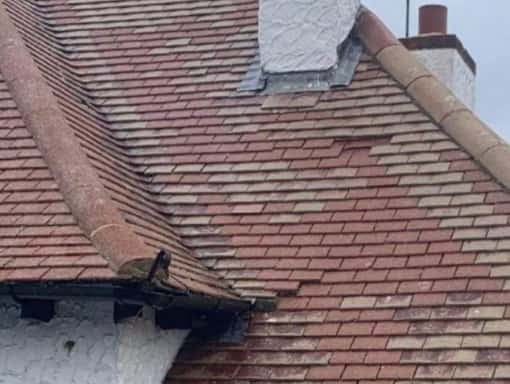
Roof tiles are designed to overlap and form a protective covering that keeps rainwater away from the underlying roof structure. However, over time, individual tiles can become loose, move out of alignment or slip down the roof slope. Even a small gap in the covering can allow water to enter, potentially leading to dampness, damaged roof timbers and internal leaks.
For property owners in New Romney, Kent, recognising the causes of slipping roof tiles is important for preventing minor roofing problems from developing into more extensive damage. Understanding why tiles move can also help determine when professional roof repairs are needed.
Common Reasons Roof Tiles Become Loose or Slip
Roof tiles are held in position through a combination of overlapping courses, battens, nails, clips or other fixing systems, depending on the roof’s design. When these components deteriorate or become damaged, tiles may no longer remain securely in place.
Ageing or Deteriorating Roof Fixings
One of the most common reasons roof tiles slip is the deterioration of their fixings. Nails, clips and other securing components can weaken over time due to prolonged exposure to moisture and changing weather conditions.
Metal fixings may corrode, while older nails can lose their holding strength. Once a fixing fails, the tile may begin to move, particularly during periods of strong wind.
Replacing damaged fixings and securely reinstating affected tiles helps restore the stability of the roof covering. A roofer can also check nearby tiles to identify whether the problem is isolated or part of a wider issue.
Strong Winds and Severe Weather
Wind places pressure on roof coverings, particularly along exposed edges, ridges and roof slopes. Strong gusts can lift tiles, disturb their position or place additional strain on existing fixings.
Repeated movement during unsettled weather may gradually loosen tiles that were already weakened. In some cases, a tile can become displaced without falling completely, leaving gaps that are difficult to spot from ground level.
After particularly windy conditions, it is worth looking for visible changes to the roofline, missing tiles or pieces of roofing material on the ground. Any suspected damage should be assessed professionally rather than investigated by climbing onto the roof.
Deteriorating Roof Battens
Roof battens provide the supporting framework to which many roof tiles are secured. If battens become rotten, split or damaged by prolonged moisture exposure, their ability to hold the fixings can be reduced.
This may cause several tiles in the same area to become loose or slip out of position. Problems with the underlay or water penetration can sometimes contribute to batten deterioration, making it important to investigate the underlying cause rather than simply repositioning the tiles.
Where battens have lost their structural integrity, repairs may involve replacing the affected sections before the tiles can be properly secured again.
Incorrect Installation or Poor Fixing
Roof tiles need to be installed with the correct overlap, alignment and fixing method. If tiles were not secured properly during the original installation or a previous repair, they may be more vulnerable to movement.
Incorrectly positioned tiles can also place uneven pressure on neighbouring sections, affecting the overall stability of the covering.
A professional inspection can establish whether the issue relates to installation quality, unsuitable fixings or deterioration of existing materials.
Movement Around Roof Features
Areas around chimneys, valleys, roof windows and other junctions require particular attention because they involve additional detailing and weatherproofing components.
If surrounding materials deteriorate or become displaced, nearby tiles may lose support or move out of alignment. Damaged flashing or poorly maintained junctions can also allow water to reach the roof structure, potentially affecting battens and fixings.
These areas should be checked carefully when investigating recurring tile movement or leaks.
General Wear and Tear
Roof coverings experience years of exposure to rainfall, temperature changes and seasonal weather. Over time, tiles can crack, become brittle or suffer surface deterioration.
A damaged tile may no longer sit correctly against neighbouring tiles, making it more likely to move. Older roofing systems may also have fixings that have weakened through long-term exposure.
Replacing damaged tiles and addressing worn components can help maintain a secure and weather-resistant roof.
Warning Signs That Your Roof Tiles May Have Slipped
Some signs of displaced tiles are visible from outside the property, while others may become apparent inside the building.
Look out for:
- Uneven lines or gaps across the roof covering.
- Tiles that appear tilted, raised or out of alignment.
- Missing tiles or broken fragments near the property.
- Water stains on ceilings or upper walls.
- Damp patches in the loft or signs of moisture around roof timbers.
- Recurring leaks after rainfall.
These symptoms do not always mean a tile has slipped, but they indicate that the roof may need further investigation.
Why Prompt Roof Tile Repairs Matter
A displaced tile can leave the roof underlay and supporting structure more exposed to rainfall and wind-driven moisture. If the problem is ignored, water may gradually damage battens, insulation and internal finishes.
Simply pushing a loose tile back into position may not provide a lasting solution if the original fixing has failed. Effective repairs should identify why the tile moved, check the surrounding roof covering and replace any damaged components where necessary.
Professional roofers can assess the condition of the affected area and recommend suitable repairs to restore the roof’s protection.
Conclusion
Roof tiles can slip out of position for several reasons, including deteriorating fixings, damaged battens, strong winds, incorrect installation and general ageing. Identifying the underlying cause is essential to ensuring that repairs are effective and that neighbouring tiles remain secure.
If you have noticed loose or displaced roof tiles on your property in New Romney, Kent, New Romney Roofing can assess the condition of your roof and advise on suitable repairs. Contact the team to arrange an inspection and help keep your roof secure and weather-resistant.
Call us on: 01797 331993
Click here to find out more about New Romney Roofing
Click here to complete our contact form and see how we can help with your roofing needs.